
The Truth About Caregiving
March 31, 2026

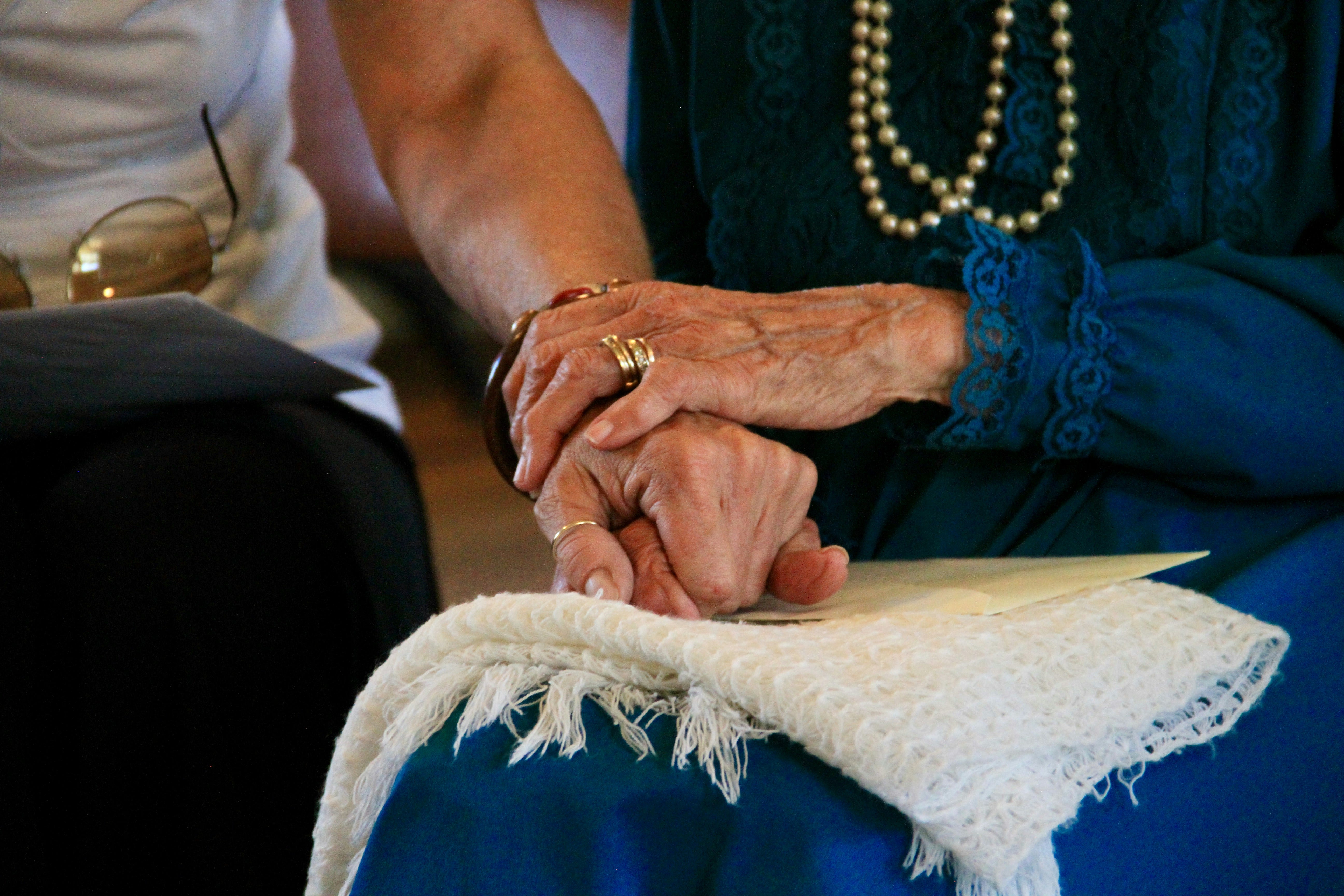
I awaken with a start. A soft rumbling drifts up the stairs and through the cracked bedroom door. I sit up, ears perked as I struggle to focus in the inky black of night. A cough, a sputtering. A soft moan of malcontent. Subtle. Imperceptible. I lie awake for half an hour waiting for more, but all that follows is a chorus of soft snores. The hours tick by, and I lie there, wide awake, listening for the world to end.
The truth of caregiving lies in this innocuous scene. The seeming calm punctuated by hyper vigilance, always-on senses, and never-quite-at-rest limbs and thoughts. The feeling that such popular euphemisms as “this too shall pass” don’t apply. I don’t know it yet, but I will eventually get up and go downstairs to another easy-enough-to-fix but emotionally draining ordeal. What seemed easy (well, maybe not easy as much as natural) is anything but. Being a caregiver to the adult who taught me everything is far more challenging and complex than I imagined.
I thought, perhaps naively, that caregiving would be easy for me. I love my parents. I want to give them everything they gave me. I thought I was beyond experienced for the job, having raised two kids to successful adulthood. I’ve been responsible for dozens of injured, adopted, fostered, and personal pets. I’ve babysat infants, toddlers, and grandparents. I even sat up all night with heartbroken teenagers who vacillated between crying on my shoulder and telling me it was all my fault. I’ve given insulin sticks, allergy shots, and once even removed staples from a split scalp while on vacation. How hard could caregiving for another lucid adult really be?
Woof. Shame on me for being so ignorant. The truth is that caring for my mother is so much harder than I expected. Much like living with chronic pain or illness, the reality is hard to fathom from the outside. You don’t know the emotional and physical burden of prolonged care for another human until you are smack inside of it, chained to it, overcome with it. Unlike children, caring for an ailing parent normally only ends one way, and it isn’t a rewarding walk across a graduation stage or a move into their first home. This is the thing friends and family who have traveled this journey will tell you. The only way it ends is with the end.
That, they warn, means long months and years of grieving before the loss even happens. This grieving is normal; it means you had a relationship worth losing. Watching someone atrophy from hero status to dependent is emotionally taxing in more ways than one though. Beneath the obvious heartbreak is exhaustion, frustration, desperation, and hopelessness. While their pain is physical, yours, as a caregiver, is mental.
Friends also assure me that these types of negative feelings are also normal. I cannot tell you the relief I felt when someone close to me said there was no mean or verboten thought I could have about my situation that she hadn’t also experienced. There was a long pause then, and she added to also remember that when it’s over, there will be a hole in your life from which you will never, ever recover. The pain in her voice said it all. For all the frustration she felt in the midst of her struggle, she’d gladly return to those days if it meant more time with her late mother. The moral of the story is not to beat yourself up over the grief and frustration, but also enjoy this gift of time with them for what it is: fleeting and precious.
It is a difficult balance for everyone involved, even harder to see from deep inside its depths. We all feel a strange mix of blessed and trapped, dedicated and resentful, shamed and grateful. Still, I think we started out optimistic. We believed we were doing this to have Mom closer should she need help while maintaining our individual independence. Looking back on the last few months, that seems such a foolish assumption. I, for one, should have known myself better, and she would probably tell you that she should have, too.
Until this winter, I had been experiencing several years of newfound freedom. Having had my first child at 16, it wasn’t until 2021 that I was really alone, like alone-alone. We moved one direction, the kids moved another, my parents stayed still. Everyone was on their own, maybe for the first time ever. Visiting wasn’t easy and rescuing each other was no longer possible. Besides the four dogs I share my daily life with, I was finally responsible for only myself. Though truthfully, sometimes my husband had to take over that, too, but mostly it was me taking care of me. It was in this misguided vein that I decided I needed something else to care for; enter my attempt at gardening.
Stay with me here. This makes sense, I promise. First, I tried planting outside. The stuff in the front, despite being deer-resistant, was chewed down to nubs. The tomatoes were taken over by aphids, the lettuce by some other a-hole insects that left walnut-size holes in our crop. Even the three-foot aloe on the front porch met a horrible end after an insistent squirrel toppled it off the six-foot-high ledge. Refusing to be beaten, I doubled down and began experimenting with a dozen new houseplants.
My Christmas Cactus flowered, my ivy climbed, my Jacob’s Ladder reached new heights. I was so proud of myself. A friend gifted me a fancy indoor tree a few months later, to add to my collection. By summer, all of my houseplants were infested with little crawling, buzzing horrors. I spent two months lugging heavy plants outside to re-pot, re-root, re-spray, and retreat a dozen times to no avail. By the time the temps soared into the nineties, I was done. Two plants went into the dumpster in sealed bags. Ten were pitched into the woods behind our house to rot with the termites and ravenous deer population. I swore to my husband then that I’d never bring another living thing into our house. For the first time, I realized caring for a living thing was a perishable skill.
I swore the same thing after we adopted the fourth dog in our current pack. What had once been so simple had become more expensive, more time-consuming, and more complicated than it was years before. As with most things, I question how much was due to the situation and how much was my perception and handling of it. When I was in my twenties, we had outside dogs that got bargain feedstore vaccines and ate Ol’ Roy dog food into their double digits. Now, two of my prissy little dogs take as many pills as I do, and their flea and heartworm meds cost more than my first car payment.
Maybe I just feel these things differently in middle age. I don’t feel life as two-dimensional and recognize the ripples of hasty decisions echoing through the years. I know decisions I make today will affect my kids in the future, much the same way that hindsight makes me critical of my elders’ decisions. I remind myself when the exhaustion and frustration kick in that at some point, I, too, will require assistance with the tasks of daily living. Being a caregiver has driven home the point like a dagger powered by a jet engine.
“How’s it going?” a friend asked me yesterday, checking in. I told her that life reminded me of the tornado I experienced as a kid. A twister went directly over our house, ruffling the tarred shingles. Between freight train roars, there was an eerie silence. It was such a strange mix of quiet and chaos, fear and wonder. Our days are that same strange blend of quiet routine and unexpected chaos, a bittersweet symphony. While we have our picturesque moments like telling nostalgic stories around the dinner table or playing old-fashioned card games, there are also tense moments where everyone goes to their own corner to take a breath. And that has to be okay, because what are the other options?
Be careful when asking that question aloud. I’ve spoken to a lot of people in the past few months about our situation. Mostly, folks want updates on how everyone is doing and what’s next on this unexpected journey. Some are professional; their inquiries are to ensure everyone’s safety and that all medical needs are being met. Then, there’s a small subset of folks who know better what is happening, mostly because they’ve lived it.
A few in that latter group disagree with the nature of my plan. They warn me out of concern that I am never going to make this work long term, that the whole idea is a fool’s errand. Some insist my kind heart will be rewarded in some otherworldly fashion for taking on such a great responsibility, but that doesn’t sit quite right with me either. Some just offer words of wisdom with the caveat that my mileage may vary from theirs. The last is what I find most comforting.
Those who have been through this assure me that my feelings are valid, whether they are positive or negative. The slow grieving of who you once loved disappearing, while also being exhausted and near a breaking point, is common. Wanting to give your loved one the best days with the time they have left, while simultaneously wanting to run away, is also normal. And it isn’t just the caregivers feeling it, but those receiving care they didn’t want for conditions they didn’t ask for. Getting old and infirm is hell, and it comes for us all eventually, because as Billy Joel knows, “only the good die young.” The rest of us suffer.
The suffering feels heavier than normal lately. I’m exhausted in ways I can’t explain. My back hurts from the extra chores, but my heart hurts worse. The news this week was a strange mix of good and bad. No, we don’t need to plan for surgery with any immediacy, but also it isn’t because the body has healed itself miraculously. No, we aren’t ordering hospice next week, but also, there is no quick fix or treatment to avoid its inevitability. It isn’t to say these things aren’t coming, just that my mother’s body hasn’t chosen a side in the medical war. She isn’t ready to give up, nor is she healthy enough to fight. That leaves us with nothing but more uncertainty. While Mom is afraid to name the elephant in the room, I’ve already made it a personalized collar. But in the end, we both fear what happens if it grows any larger.
So, the process continues: Seeming calm while emotions boil beneath the surface. Accepting what is, while fearing what is to come. Being tired and fed up, while continuing forward one step at a time, because love is always greater than any toils required. Taking each day at a time, knowing caregiving is and will continue to be the hardest/best/most fulfilling/most frustrating part of my life.
That is why I’m writing this, despite my misgivings about sharing. It needs to be said. We live in a climate where caregiving among families and generational living is becoming more commonplace, mostly out of necessity. People are living longer than ever, yet resources can’t meet the overwhelming needs of our aging population. We, as the next generation, have to step up, and we have to talk about it–how hard it is, how to fix it, how to endure it. We need to support each other because no one can survive this phase of life alone. Talking about it might not solve all the problems, but it helps us remember we aren’t alone, and that, really, is the only salve, other than time, that provides any relief.
NOTE: I always run my sensitive work like this past my mother before posting. Even though some days I want to run screaming into the hills, my deep love and respect for her will always far outweigh the negatives. We both hope that someone reading this will feel what others have given us, a reminder that we aren’t alone in our individual and collaborative struggles.
There is no amount of progesterone that will return me to my previous nurturing abilities… I just don’t want to. That being said, I do and I will… it’s the most important work. Sending love!